
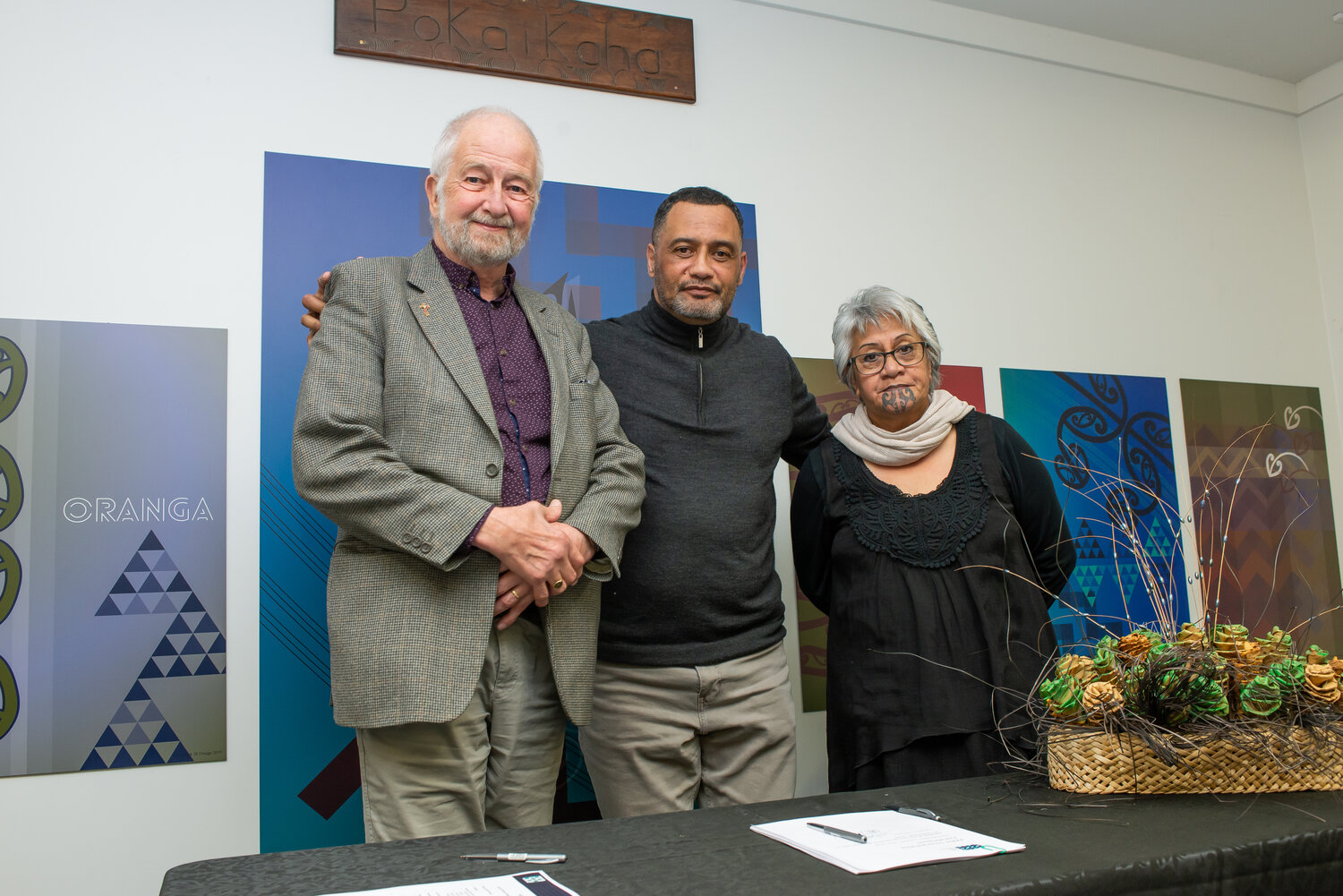
A significant moment in PARS’ history
HURIMOANA DENNIS, CHAIR
Paimaririe.
As Chair of PARS, it is my honour to share with stakeholders and supporters that at the 2020 AGM in September, our members approved a suite of amendments to PARS’ constitution. This approval was the culmination of a year-long consultation process where we sought to capture the voices of our people; from the board table through every level of the operation, and externally, to ensure PARS’ governing guidelines reflect and support the needs of our tangata and PARS’ vision of a living, thriving ecology of care that heals, restores and transforms.
The review came about through reflection on PARS’ purpose and how it can best deliver on this vision. The disparities for Māori within the Justice system at entry, delivery and exit points are well known – systemically imbalanced and unhelpful in terms of whānau reaching an enduring and respectful state of whānau ora. It is essential PARS’ constitution is a governance model that expresses true and respectful relationships (trust and confidence) and partnerships (business model) that enhance the great work already being delivered by PARS’ kaimahi and kaiawhina. We are satisfied that the approved changes align with PARS’ commitment to working in accordance with the principles of Te Tiriti o Waitangi and its core values of manaakitanga, wairuatanga, rangatiratanga, arohatanga, whakapapa, whanaungatanga.
At the end of a year of many hours of comprehensive review and consultation, it was humbling to bear witness as my co-signees, fellow board member, Deacon Hans Flapper, and long-standing PARS staff member Vivi Lee, signed the newly approved constitution.
Acknowledgements
The board extends its thanks and gratitude to all who contributed to the development of the constitution. To all stakeholders, staff, funders and members who gave of their knowledge and passion, it is through your efforts that we have realised this historically significant outcome.
A special thanks to Sue Barker of Sue Barker Charities Law; one of Aotearoa’s foremost experts in charities law. Sue worked alongside PARS throughout the review process; ensuring legal compliance and that all nuances and implications were considered, and delivering a robust and future-proofed set of guidelines.
Our final acknowledgement and thanks go to PARS CEO, Tui Ah Loo, for her leadership and guidance throughout the process. As always, Tui maintained a keen focus on ensuring the needs and rights of tangata and whānau were considered during all discussions.
Paimaaririe.
* Highlights of the last year and information about PARS’ key projects can be read in PARS 2019/2020 annual report.

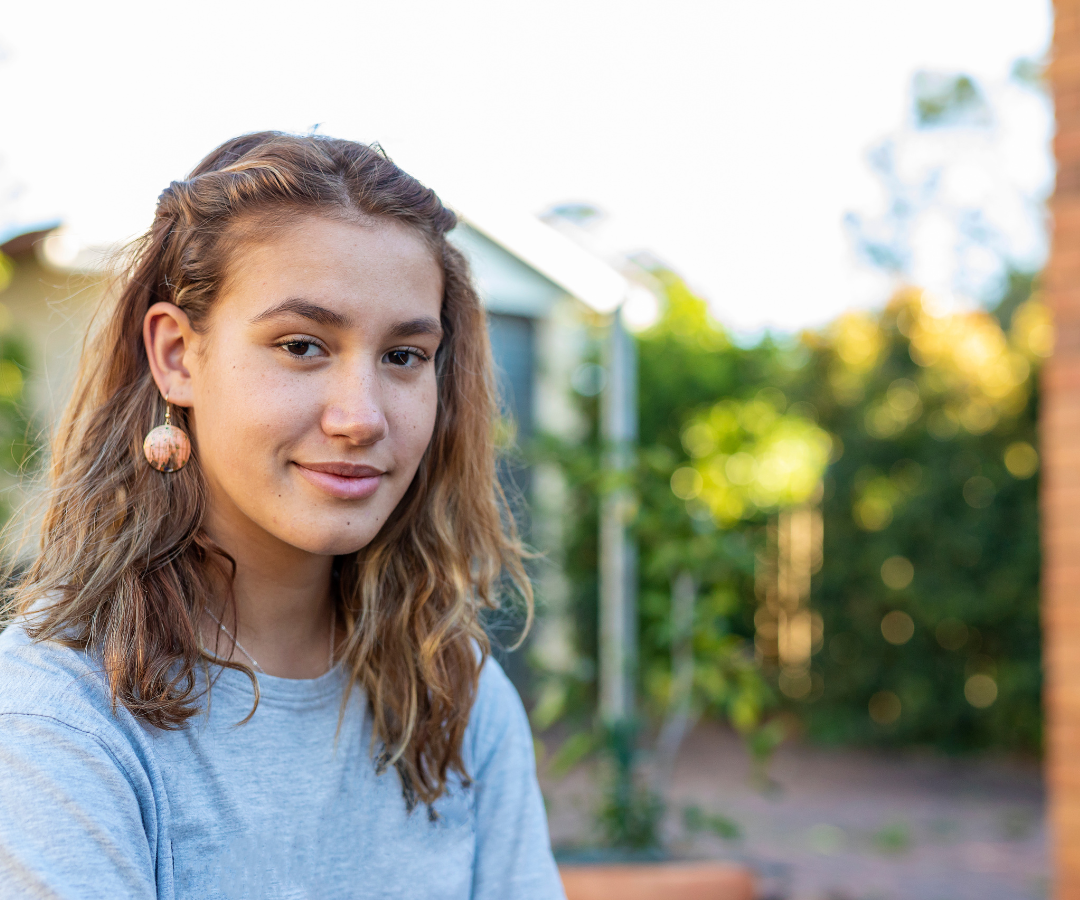
Te Ohomai Rangatahi – Awakening the Potential of Rangatahi
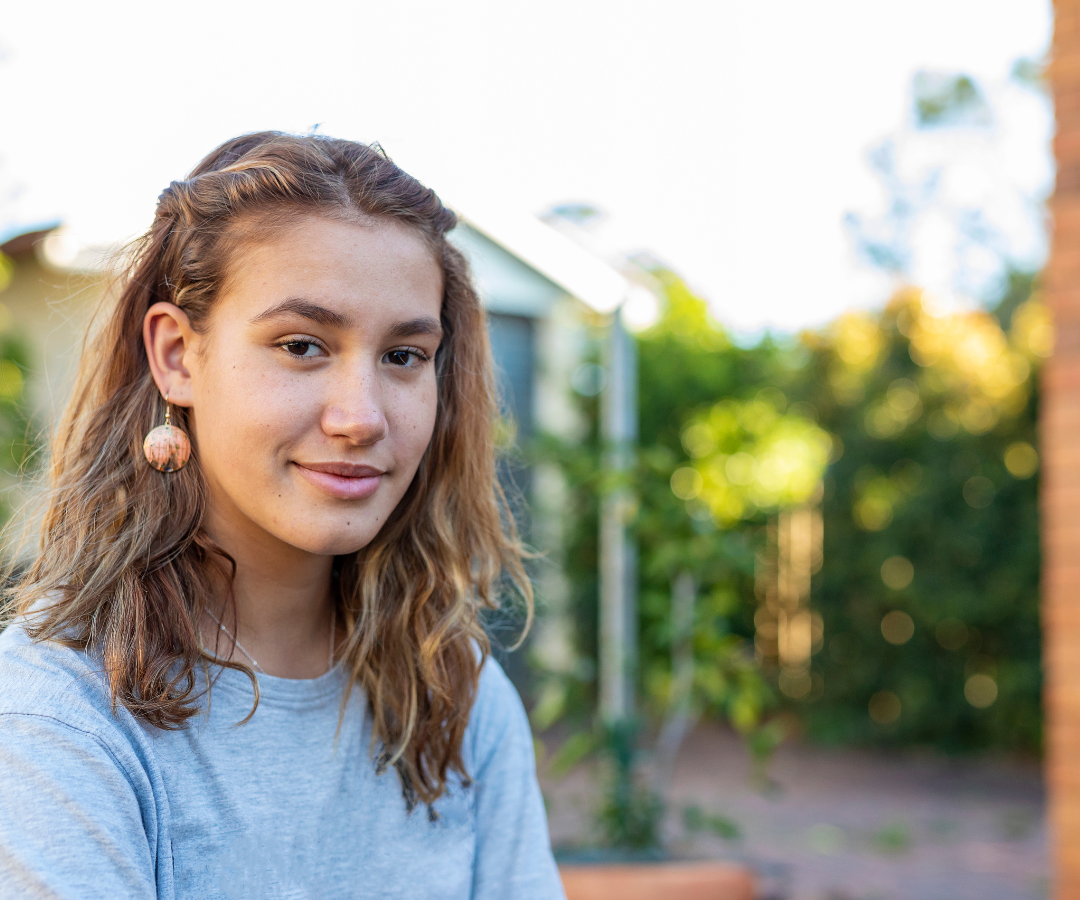
Heartbreakingly, childhood for many Kiwi kids is far removed from a fairy tale. Here, Victoria shares her story of the journey that led her to Te Pā and a bright future.
Last week, the Share My Super blog showcased PARS’ Te Ohomai Rangatahi service.
At PARS, it is our responsibility to be the kaitiaki (caretakers) of our rangatahi (young people); our future leaders. To do this we have a dedicated space called Te Ohomai Rangatahi – Awakening the Potential of Rangatahi: a rangatahi-centred and whānau-inclusive service for individuals who have been part of the justice system. This service supports rangatahi to reintegrate into their whānau and/or communities of choice, and specialises in preventing rangatahi from entering the justice system, or when they are in it, to get out and stay out.
Our way of working is:
Ohomai – bringing rangatahi and their whānau into PARS’ whānau.
Ohoake – journeying with our rangatahi to inspire, aspire and realise potential.
Ohoatu – puāwaitanga (the blossoming). Our rangatahi are ready to be the kaihautū of their own waka. Proud, knowing and naming their world. Connected and grounded.
Success for our young people lies in whānau, community, connection, and support. PARS’ holistic approach addresses not just the need for food, clothing, and shelter, but also the intergenerational poverty of the mind, the spirit, the body.
As the pandemic continues to challenge us all with finding evermore creative ways to continue delivering our services amidst the various restrictions, getting the right support to our rangatahi is critical to their successful reintegration: putting help on hold during lockdowns isn’t an option. In a climate where uncertainty, fear, and access to services are already challenging enough, young people are at that particularly vulnerable age where the pressures of social media and employment issues are also rife. For our rangatahi, these are exacerbated further by things like court appearances, and lockdowns straining relationships with newly-reconnected whānau.
PARS’ “one-size-fits-one” philosophy has been invaluable in addressing individuals’ needs and creating solutions that keep our rangatahi and whānau moving strongly and positively forward despite the challenges.
Every dollar received through Share My Super goes directly into Te Ohomai Rangatahi, and it is with the generosity of these donors that in the past financial year, 173 individual rangatahi and their wider whānau were supported: 135 rangatahi were reintegrated on release and 38 rangatahi were reintegrated upon return to Aotearoa following deportation.
Together, we are creating sustainable change for tomorrow’s leaders.
He waka eke noa
We are all in this together
Read more about Te Ohomai Rangatahi here.

The Blossoming of a Seed: Pursuing a better future for our tamariki
Heartbreakingly, childhood for many Kiwi kids is far removed from a fairy tale. Here, Victoria shares her story of the journey that led her to Te Pā and a bright future.
Realising PARS’ vision of a living, thriving ecology of care, that heals, restores and transforms, means addressing intergenerational disadvantage at all levels and providing multifaceted solutions. While retaining our focus on supporting rangatahi (young people) who are already in the system to get out and stay out, we are also committed to diversifying our service model in order to help prevent Aotearoa’s tamariki and young people from ever entering the system.
In 2020, while investigating what solutions would be the most impactful for tamariki, we reached out to whānau with lived experience of whānau harm. Gathering insights from those directly affected was pivotal to the design of a programme that would contribute positively to eliminating whānau harm for the next generation.
The findings of our research led to the development of “Kia Puāwai Te Kākano” (The Blossoming of a Seed); a 12-month early intervention programme that focuses on lifting the hearts and minds of vulnerable tamariki between the ages of five and twelve who are being raised in complex home situations. The programme is embedded with indigenous matauranga (wisdom), Maramataka (the Māori lunar calendar), and Hua Parakore (a kaupapa Māori system for growing and producing food) values. Each aspect of the programme is aimed at uplifting the wairua (spirits) of the tamariki, and includes fun, stimulating and educational activities in an environment that is culturally safe for the tamariki and their whānau. The tamariki learn life skills through association; such as mahi maara (gardening) – learning how to care for a plant and using this analogy to demonstrate how they can look after themselves; creativity and entrepreneurship – e.g., creating artwork and talking about having a stall at a market to sell their creations; and wellbeing through waiata and dance – explaining the importance to our overall wellbeing by expressing ourselves through movement and song.
With innovative solutions such as Te Puāwai Te Kākano, we are supporting today’s tamariki to become tomorrow’s motivated young people with belief in themselves and the resources to pursue their fullest potential; intellectually, socially, emotionally and spiritually, as individuals and as valued members of their whānau and communities.
“Take care of what our tamariki see, take care of what they hear, of what they feel.
For how the tamariki grow will be the shape of Aotearoa.”
Dame Whina Cooper
* Kia Puāwai Te Kākano complements PARS’ well-established programme for young people, Te Ohomai Rangatahi, which is supported through the generosity of Share My Super donors.
Te Pā and the Child Travel Fund
1 February 2023
Te Pā is a proud partner of Share My Super, whose donors help support our Te Ohomai Rangatahi service. This month their blog features another of Te Pā’s services that supports vulnerable children and young people in Aotearoa.
Te Pā and the Child Travel Fund – Strengthening whānau connection for tamariki and rangatahi
Currently, there are 17,000 tamariki and rangatahi with a mum, dad, or both, in prison in Aotearoa. And when a loved one is imprisoned, it inevitably places additional stress and costs on whānau. Factors such as distance and financial constraints are significant barriers to maintaining the positive bonds that are such an integral part of a person’s reintegration when they return to the community, and for the tamariki getting to see their parent – to share what’s going on in their life while mum or dad is away – the value of that in-person relationship is immeasurable.
At Te Pā, we get it: Whānau is central to everything we do – it connects us and harnesses our collective strength. For those in the 18 prisons across the country and their loved ones, the whānau connection is equally important, yet vulnerable to circumstances. Fortunately for many in this position there is some support. Te Pā manages the Child Travel Fund*, a programme that provides financial support for children travelling to visit a parent in prison, or for parents travelling to visit a child under 18 years of age in prison. The purpose of the fund is to keep whānau as unified and strong as possible during what is a particularly tenuous time; especially for tamariki. And, unsurprisingly, when leaving prison a person with strong familial ties and a sense of belonging outside the wire is less likely to reoffend than someone who feels they have no connection to whānau or the community.
In recent years, as many as nearly 500 tamariki per year have been enabled by the Child Travel Fund to spend precious time with a whānau member behind the wire, and we often hear just how much the support means for those living this reality.
“I am on my own with three small babies and on the benefit. Being that my children are at such impressionable ages I feel it is important for them to be able to see their father in prison as much as possible to help them feel comfortable and build a relationship with their dad during the course of his sentence. Te Pā has helped me so much with the costs of driving to and from Hamilton to Auckland for visits. The team has been super friendly and non-judgmental. I’d like to thank everyone involved from the bottom of my heart and would definitely recommend these services to all that qualify and need the extra help.”
“Thank you so much for this programme. It has helped me and my little girl in making sure that we have enough to travel to see her dad. An awesome way to help families with children to see their fathers incarcerated.”
“Thank you so much Shayal for always being prompt and helping even if it’s a question already asked. Thank you, all Te Pā, for your great work and giving us families (especially our children) opportunities to continue to see their other parent in this difficult financial time.”
“Thank you so much. I was very fortunate to hear about this service from a family friend and would like to thank you very much as my dad will be able to meet his granddaughter for the first time which we’re extremely excited about :)”
* Te Pā is National Administrator of the fund on behalf of the Prisoners Aid & Rehabilitation Societies throughout New Zealand and the Salvation Army Reintegration Service.
He Koha!
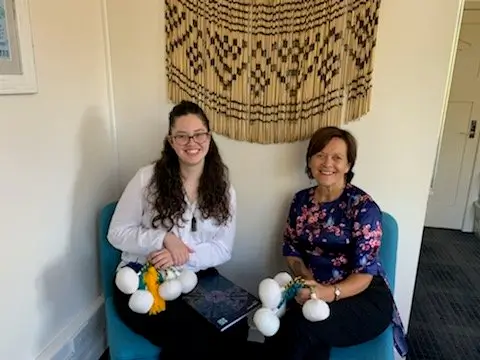
We are delighted to share that Maia has joined PARS as a Support Administrator in the team she did her placement with. She has kindly shared a bit about the journey that led her to PARS.
While her own childhood was immersed in Te Ao Māori and felt blessed, Maia grew up aware that not everyone was so fortunate. She had witnessed firsthand the ways in which the New Zealand justice system fails vulnerable people, in particular Māori, and felt driven to learn about the factors that contribute to our country’s high offending and recidivism rates – the inequities, discrimination, and cultural insensitivity. She knew that if she was to be a part of creating solutions and bringing about change, she would need to fully understand the issues, and completing AUT’s BA in Criminology and Criminal Justice offered this opportunity. Maia says the sheer volume of information to be absorbed was overwhelming, and learning about colonisation, marginalisation and New Zealand’s long history of oppression reinforced that we have a long way to go to address a system that clearly isn’t working.
Maia considers herself very lucky to have had the opportunity to carry out her 150-hour placement with PARS, an organisation whose kaupapa Māori philosophy and commitment to Te Tiriti o Waitangi align so well with her own beliefs. The PARS approach to tangata of ‘one size fits one’, respecting that every individual is unique and requires plans personalised to their needs right now as well as their aspirations for the future, resonated deeply. She spent much of her time shadowing the Te Hokinga Mai – Raki team, observing their practices, soaking up their advice, and helping support tangata. It was a humbling experience that affirmed she’s on the right track to honour her calling.
Feeling inspired, Maia wanted to gift a meaningful taonga to PARS. She had noticed that the team needed to spend quite a lot of time on their computers, and knowing that the traditional use of poi was by warriors for strengthening their wrists, she felt that this would be a practical way to express her thanks. Under the tutelage of her mother, Maia handmade 15 pairs of poi for her PARS whānau as a symbol of her abiding gratitude.
For now, the future holds higher learning for Maia alongside her PARS role, and this year she has embarked on AUT’s Master of Criminology and Criminal Justice. Her goal after graduating is to be involved in restorative justice on two levels – at the grassroots, focusing in the first instance on establishing accommodation support systems for wāhine on remand, and at the academic level, contributing to this complex conversation through writing about the issues, potential solutions and sustainable change.
* The Bachelor of Arts in Criminology and Criminal Justice is the study of crime and its effects on victims and society, and the workings of the criminal justice system, including the police, courts and prisons.
PARS’ whare services are expanding
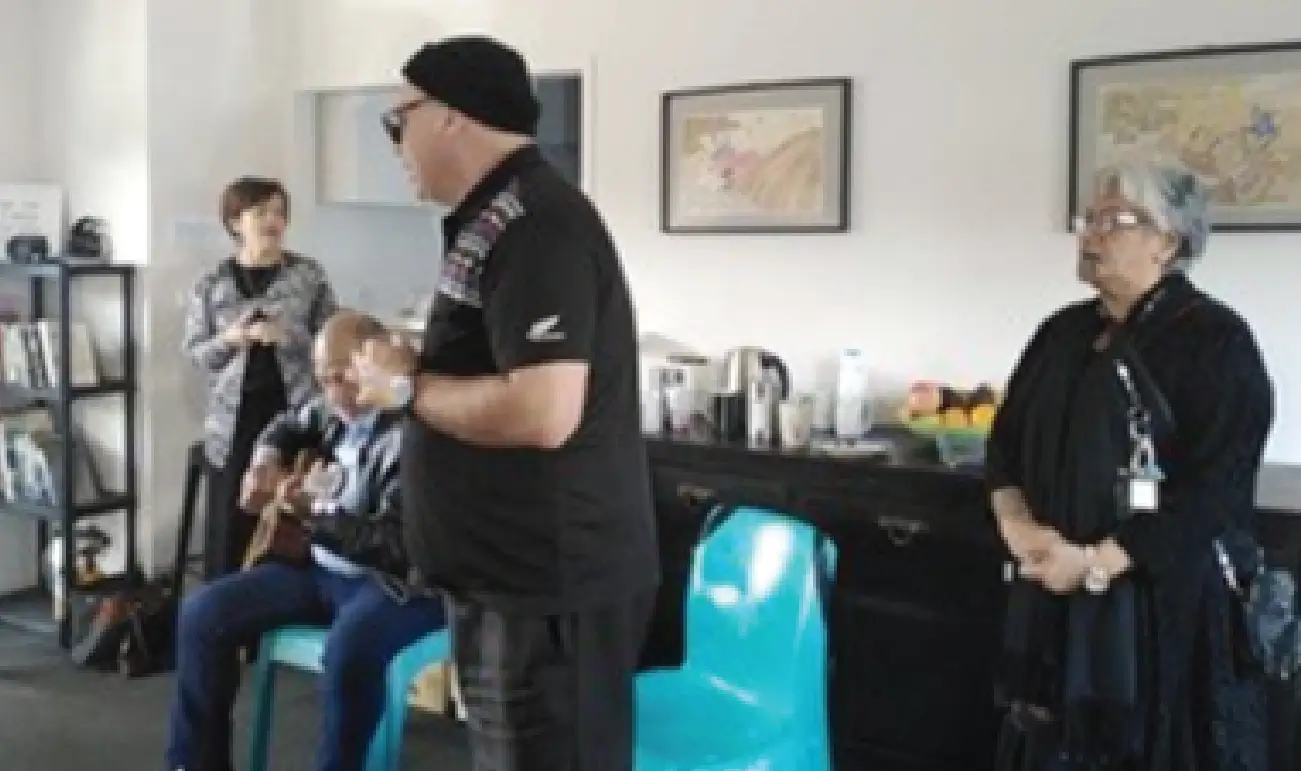
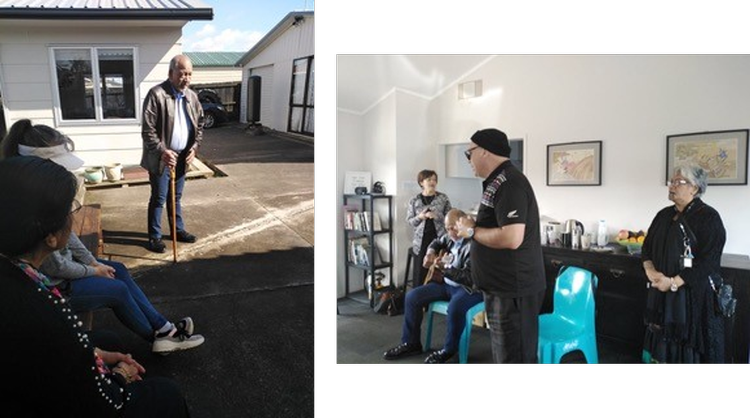
Recently, PARS held a turning off the sod ceremony to mark the development of a purpose-built three-bedroom annex at one of our supported accommodation homes. We are excited by this opportunity to support even more tangata in their transition into sustainable housing.
Our special thanks to PARS’ Pae Arahi/Cultural Advisor, Akuhata Rangi (pictured below), who flew up from Whakatane to officiate at the ceremony.
OUR WHARE SERVICES
Safe, warm and dry housing is a basic human necessity for people to live positive lives, and is the right of each individual and whānau. Yet long-term sustainable housing is a challenge for many in Aotearoa today – a challenge that is experienced acutely by people who have been released from prison, and those deported from overseas.
PARS provides whare services as part of our ecology of care – emergency housing, supported accommodation, transitional housing and referral pathways to social housing across wider metropolitan Auckland, through to Whangārei and Kaikohe in the far north. In the 2019/2020 year, PARS assisted nearly 600 tangata to find accommodation. Our ultimate goal is to support all tangata to access long-term accommodation that meets their needs (whether it is with private landlords or other community providers). To help us achieve this, we also partner with other suppliers who are committed to delivering sustainable housing solutions for those who are chronically street/car homeless; families who are transitionally homeless; wrap around support for and housing for people exiting prison sentences; support and housing for youth who are homeless or transitioning from state care; supported accommodation for people receiving mental health services and kaumatua housing.

Introducing PARS’ new Tangata Whenua board members
The signing of PARS’ modernised constitution in 2020 heralded a new era in PARS’ evolution; strongly positioning our commitment as a kaupapa Māori provider to the principles of Te Tiriti o Waitangi and to the needs of our tangata and whānau.
Integral to this process was the development of PARS’ governance model to encompass two distinct groups who share and believe in the values and principles of PARS, under a mana ōrite (shared respect and responsibility) framework – Ngā Tangata Whenua board members representing Māori as tangata whenua, and Ngā Tangata Tiriti board members representing the Churches, including PARS’ foundation member Churches. The paramount intention of the framework is that there will always be a balance of equal representation of Ngā Tangata Whenua and Ngā Tangata Tiriti members on the Board.
This model of Tangata Whenua and Tangata Tiriti governance provides the strong foundation needed to ensure we achieve our purpose of responding positively to community needs and vulnerable whānau, and to realise our vision of a living, thriving ecology of care that heals, restores and transforms.
We are delighted to introduce our new Tangata Whenua board members: Professor Tracey McIntosh, Jade Stevens, Eruera Lee-Morgan and Graham Tipene. Each is a leader in their own field and brings to PARS rich and diverse knowledge and skills in business, academia, the arts, education, leadership and more, plus a wealth of experience in advisory and governance roles. All are active within their communities, living out their deep commitment to Aotearoa and its people, and as board members will be supporting and providing guidance to PARS’ CEO in enacting our Te Pā strategic plan.
We are honoured to have such distinguished rangatira join PARS’ whānau.
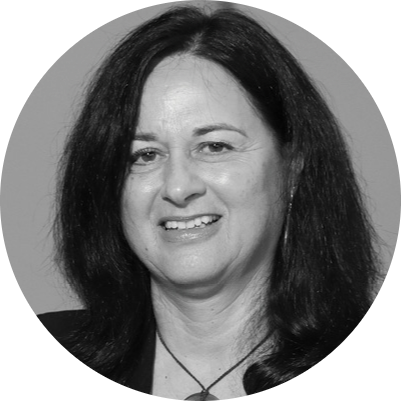
Professor Tracey McIntosh, MNZM (Ngāi Tūhoe)
Professor of Indigenous Studies and Co-Head of Wānanga o Waipapa School of Māori Studies and Pacific Studies at The University of Auckland.
As a Māori scholar, Prof. McIntosh actively seeks outcomes that allow Māori to flourish and where the benefit of research and practices accrues to the broader collective. Her research focuses on processes of marginalisation and incarceration, particularly the incarceration of wāhine Māori, and brings to PARS expertise acquired through working closely with those who have lived experience of the justice system. Among her many distinctions and awards, Professor McIntosh was appointed a Member of the New Zealand Order of Merit for services to education and social science in 2019.
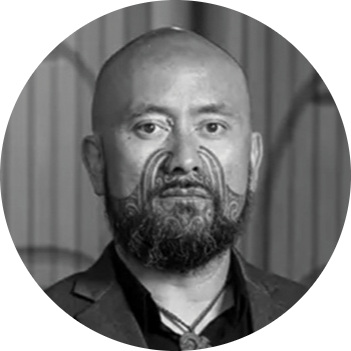
Graham Tipene (Ngāti Whātua, Ngāti Kahu, Ngāti Hine, Ngāti Haua, Ngāti Manu)
Lead Designer, Te Wheke Moko Design Studio.
As lead designer and founder of Te Wheke Moko Design Studio, artist Graham Tipene specialises in tā moko; depicting geneology, history, whakapapa and connection to the land and people. He also brings Te Ao Māori to civic architecture and is a sought-after contributor to crown and council led projects in Tāmaki Makaurau as a consultant and designer. Graham’s diverse background includes leadership, cultural advisor and training roles in the health and education sectors, public speaking in English and Te Reo Māori, and working with youth. He currently sits on the boards of Ngā Rangatahi Toa, Auckland Arts Festival, and the Objectspace gallery.

Jade Stevens (Whakatohea, Ngāi Tai, Ngā Puhi, Ngāti Ruakawa, Ngāti Porou, Rarotonga)
Data Analytics and Performance Manager for Te Pae Herenga o Tāmaki, based at Te Whānau o Waipareira, Senior Pastor at Potter’s House Christian Church in Manukau.
Jade is a Māori Lands trustee on various boards, and prior to his current role with Te Pae Herenga, he was Collective Impact Lead at the Urban Māori Authority. His skills and experience encompass leadership over a wide range of people types and industries – including social services, education and Māori economy – and mentoring those wanting to know more about Te Ao Māori. As a board member of PARS, Jade is proud to be a part of bringing to life the essence of Te Tiriti o Waitangi, of which his great-great grandfather was a signatory.

Eruera Lee-Morgan (Ngāti Naho, Ngāti Tamaterā, Ngāti Rangiwewehi, Tūhourangi)
Senior Advisor at Te Puni Kokiri, Broadcaster, Consultant, Co-Governance Chair of MIT Rūnanga, Western Springs College and Ngā Puna o Waiorea.
Eruera is a Senior Advisor and consultant for Te Puni Kōkiri Ministry of Māori Development and has over 30 years’ experience in the media industry as an independent producer/director – notably holding many key roles within Māori Television. These experiences are complemented by a wide range of key Māori and industry networks and multiple advisory and governance roles. Eruera brings a strong voice for Māori language revitalisation and normalisation to everything he does, and his pursuit for excellence in te reo Māori me ngā tikanga and desire to raise cultural consciousness, aspirations and achievements for Māori whānau, hapū and iwi is always at the forefront of his work.
Meet the full board and read our year in review in our 2021 Annual Report here.

COVID-19: Operating under the traffic light system
Kia ora
Yesterday, Cabinet held a press conference announcing that all of New Zealand will move to the RED framework setting from 11:59pm on Sunday, 23 January.
What does this mean for PARS?
Under the red light setting, PARS will operate as follows:
-
Staff are still working and available on 09 630 0862
-
We continue to operate an after hours support team, offering our service 24 hours a day, 7 days a week
-
Staff and visitors to the office must sign in using the COVID tracing app
-
Staff and visitors will adhere to social distancing and mask guidelines
-
PARS staff will continue to offer support and other tasks from the office
What does this mean for you?
You can continue to work with your PARS Navigator and/or Support Staff, and we are committed to ensuring strong safety measures for you on our premises.
Tangata/Client meetings can be conducted remotely where possible, and if they are to be held in person, face masks and social distancing measures will be required.
An update from the Government on how businesses can operate under the framework settings is found here.
Kia haumaru! Be safe!
Ngā mihi.

COVID-19 Update
From 11.59 pm on 21 September, Auckland moved to Alert Level 3 and Northland remains at Alert Level 2.
What this means for PARS Inc – Northern Region
As an essential service provider, under Alert Levels 3 and 2, PARS will continue delivering the best and safest care to our clients while also protecting our employees.
Our Auckland-based office will remain closed to the public and our Auckland team will continue working remotely.
Our team in Northland are operating according to Level 2 restrictions.
We can be contacted on 09 630 0862 and general enquiries can be made via info@pars.co.nz.

Celebrating Tongan Language Week
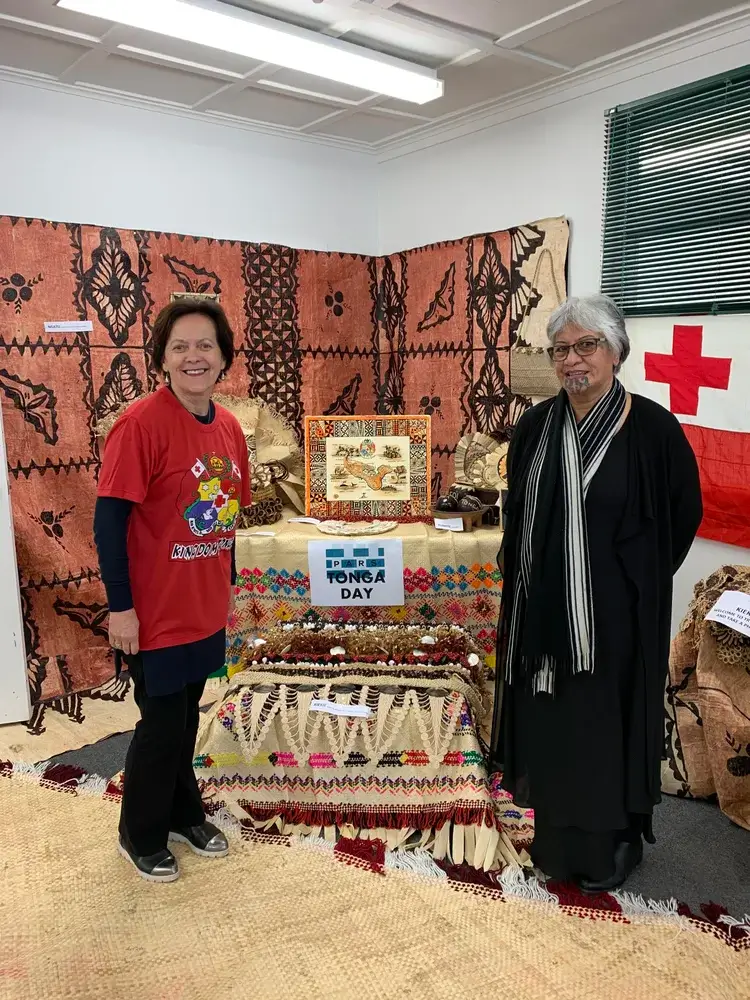
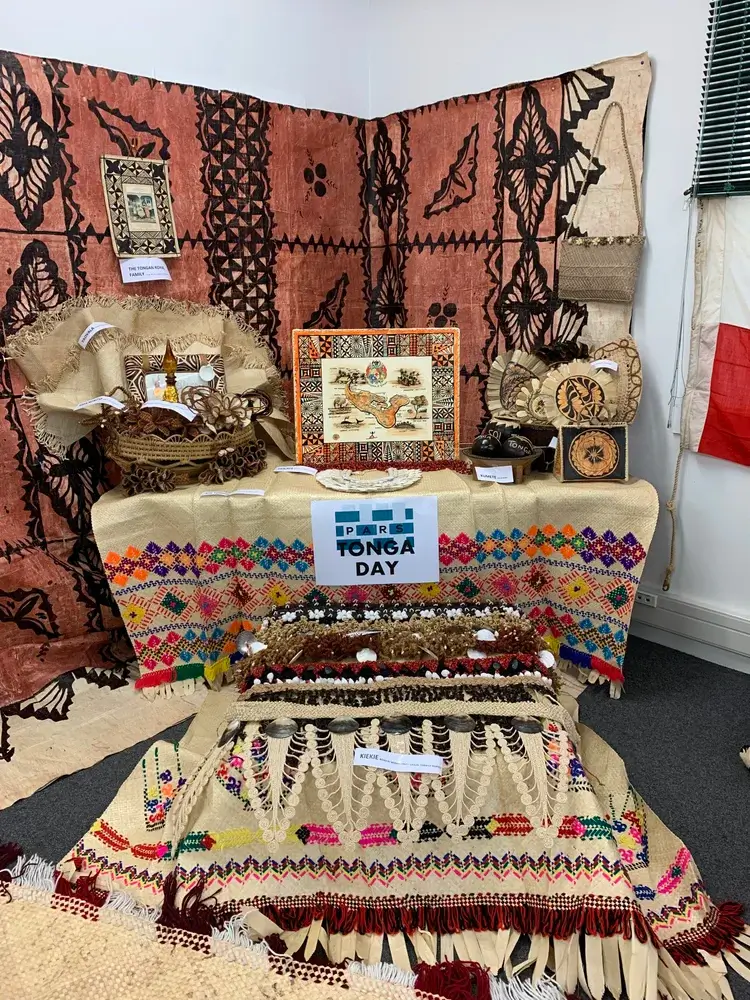
This week was Tongan Language Week – Uike Kātoanga’i ‘o e Lea Faka-Tonga. The theme for 2020 is “Fakakoloa ‘o Aotearoa ‘aki ‘a e Lotu Mo’oni”. “Enriching Aotearoa New Zealand through Prayer and Faith”.
At PARS we are fortunate to have Tongan staff members, Soi Vehikite, Corporate Service Co-ordinator and Lavinia Faleofa, Navigator. On Friday, Soi and Lavinia treated the PARS team! They put on a Tongan feast, explaining what we were eating, taught us about their culture via a fun quiz, then performed a Tongan dance.
We thank you Soi and Lavinia for the learning and for sharing your precious Tongan taonga with us all.